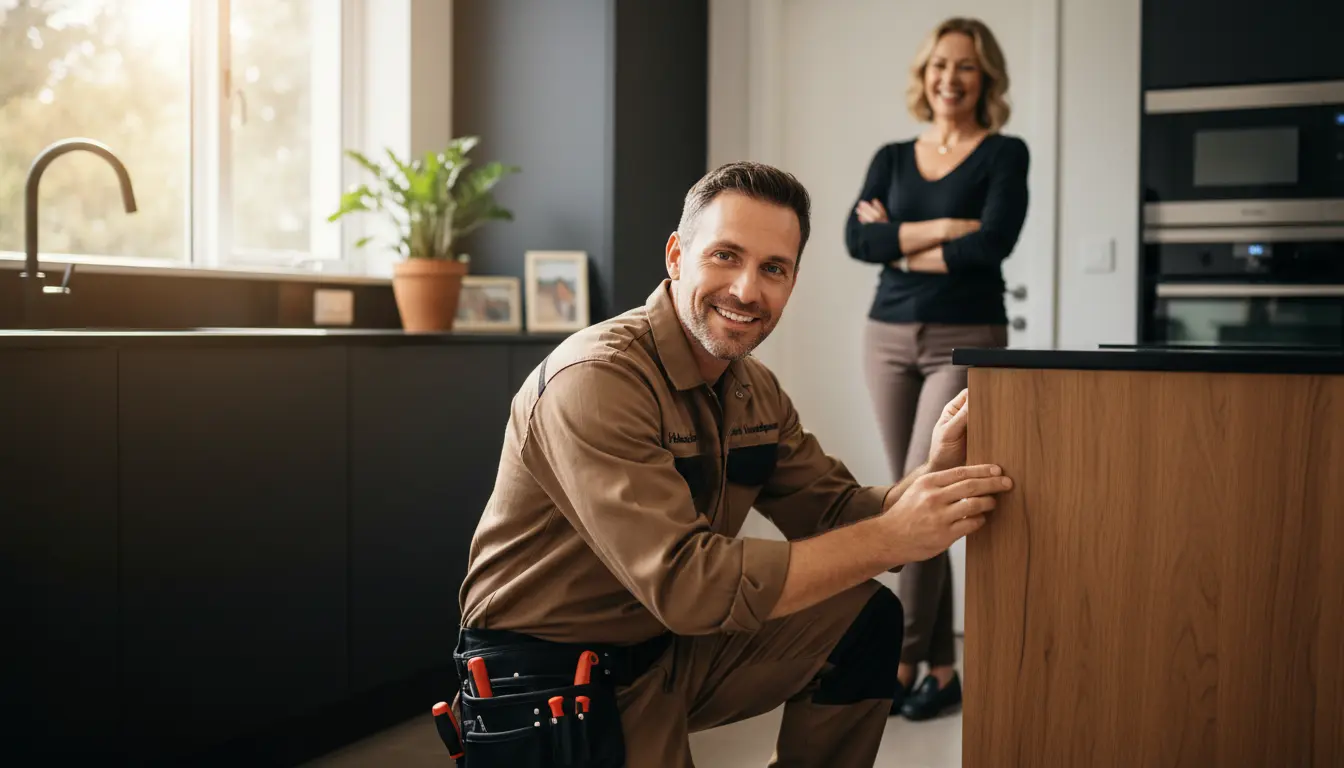
As I stepped out of my truck and onto the sun-baked driveway, the smell of salt air and the sound of seagulls filled the air, a familiar scene for any handyman working in coastal communities like Hallandale Beach or Pompano Beach. The homeowner, a retired couple, greeted me with a mixture of frustration and concern etched on their faces, a common expression for those dealing with the relentless onslaught of coastal weather on their homes. Their deck, once a sturdy and proud extension of their living space, now stood as a testament to the destructive power of salt-air corrosion and high humidity, a problem all too common in these areas.
The question on everyone’s mind when facing such repairs is, how long do common handyman repairs usually take? The answer, much like the repairs themselves, depends on a variety of factors including the type of repair, the materials involved, and the extent of the damage. For instance, a simple drywall repair might take a few hours, whereas a more complex job like replacing a deck could take several days. Hallandale Beach Handyman specializes in managing these timelines efficiently.
Professional property maintenance is crucial in coastal environments to mitigate the effects of high humidity and salt air on structural longevity. This is where a certified multi-disciplinary maintenance expert comes into play, providing precision-driven repair and preventative maintenance solutions tailored to the unique challenges of the coastal climate. By understanding the technical process behind these repairs, homeowners can better prepare themselves for the time and resources required.
Understanding the Technical Process
The technical process begins with a thorough assessment of the substrate to identify any hidden issues such as moisture intrusion or early signs of corrosion. This is particularly important in coastal areas where the air is rich in chloride ions that can accelerate the degradation of building materials. Following the assessment, the removal of oxidized layers and the application of marine-grade sealants or corrosion-resistant coatings are critical steps in ensuring the longevity of the repairs.
For structural repairs, the use of precision tools and moisture meters to verify the hygroscopic levels within the wall cavity is essential. This scientific approach ensures that any subsequent repairs, such as drywall repair, are performed on a stable, dry foundation, preventing future issues like mold colonization. Moreover, adapting the methodology based on the specific micro-climate of the property, including wind-driven rain patterns, is vital for maintaining total structural integrity during hurricane seasons. Homeowners can also benefit from pressure washing to prevent the accumulation of salt-film.
Data Comparison and Expert Insights
A comparison of professional preventative maintenance versus reactive emergency repair highlights the benefits of proactive care. Professional maintenance extends the life of materials by 40-60%, reduces structural risk, and offers predictable, lower long-term costs. In contrast, reactive repairs often result in premature failure and unpredictable, higher costs.
| Feature/Metric | Preventative Maintenance | Reactive Emergency Repair |
|---|---|---|
| Material Life | Extended 40-60% | Premature Failure |
| Structural Risk | Low (Monitored) | High (Unseen Decay) |
| Long-term Cost | Predictable/Lower | High/Unpredictable |
Pricing and Safety Standards
Pricing for handyman services can vary, with hourly technical labor rates ranging from $85 to $125 per hour. Fixed-rate packages are available for seasonal hurricane preparedness, covering shutter lubrication and roof-to-wall attachment inspections. Material costs are influenced by the choice of coastal-rated finishes, such as high-build acrylic paints. For more about our standards, visit our about us page.
Safety is paramount, with every technician following strict OSHA safety protocols and adhering to the Florida Building Code. The use of non-toxic, low-VOC materials is prioritized to protect indoor air quality, vital in the airtight environments of coastal homes. For smart home installation, our team ensures every device is properly grounded and shielded from electrical surges.
Frequently Asked Questions
1. Why do door hinges and locks fail so quickly in Pompano Beach?
Salt-air corrosion facilitates galvanic corrosion on standard steel. We solve this by installing brass, bronze, or 316 stainless steel components and applying specialty lubricants.
2. How does high humidity affect drywall in my home?
High humidity increases permeability, allowing it to absorb moisture and become a breeding ground for spores. We use moisture-resistant “green board” to address this during repairs.
3. How long does a typical drywall repair take?
A standard patch usually takes a few hours, but larger repairs requiring technical assessment and drying time for specialized coatings may take longer.
4. Can you assist with technical smart home configurations?
Absolutely. We optimize signal strength to account for thick concrete-block construction, ensuring devices are physically mounted and properly synced to your local network.
5. Is pressure washing safe for my coastal driveway?
Yes, we use soft-wash techniques with appropriate chemical ratios to neutralize salt film without compromising the structural integrity of the concrete.
Conclusion
In conclusion, understanding how long common handyman repairs usually take requires a deeper look into the technical process and the impact of coastal environments. By choosing a certified expert, homeowners in Hallandale Beach and Pompano Beach can protect their investments. For a consultation, please visit our website or call us at (954) 504-9833.
By prioritizing professional property maintenance and staying informed, you can mitigate the effects of high humidity and salt air. Remember, in the battle against coastal degradation, proactive maintenance is your best defense. Contact Hallandale Beach Handyman today at (954) 504-9833 to secure your home.