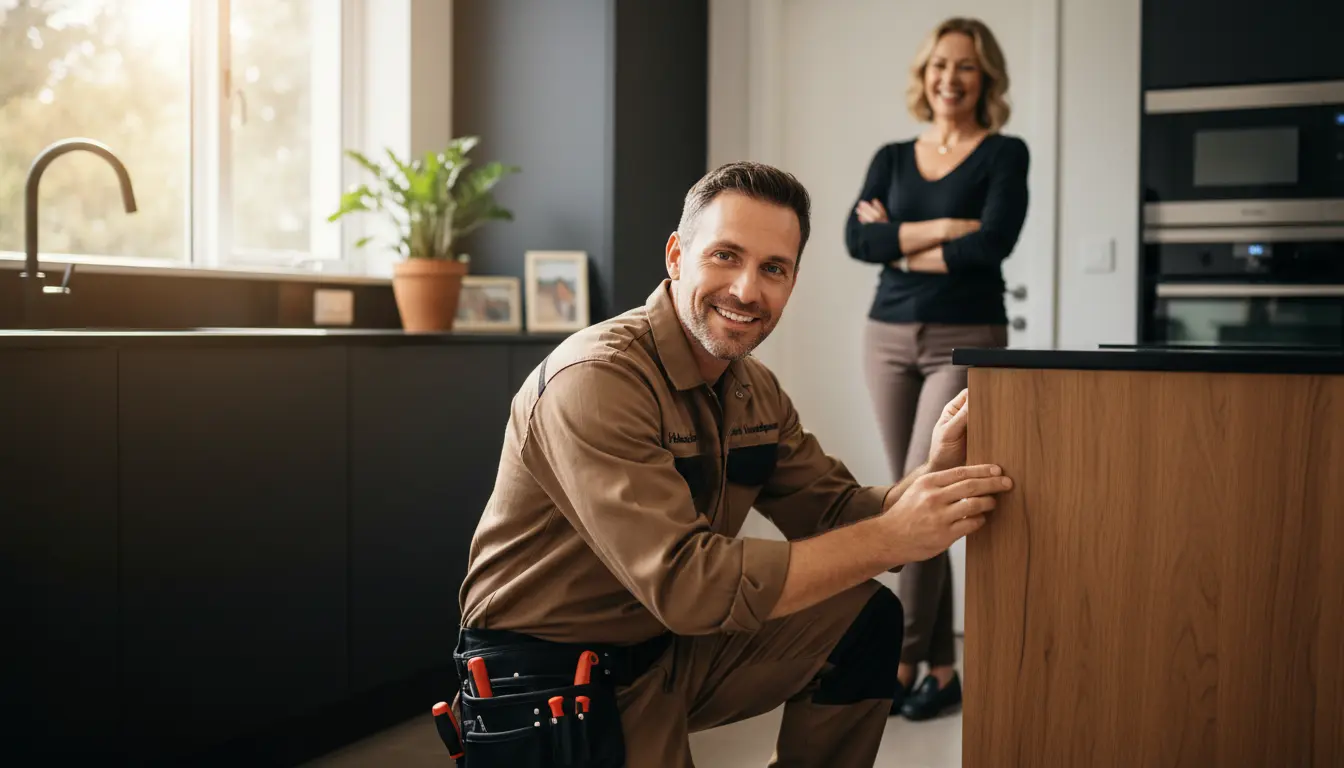
Safety modifications for seniors in their homes are a set of specific alterations designed to reduce the risk of accidents and injuries, particularly among the elderly population who may face challenges due to decreased mobility, vision impairments, or other age-related health issues. Unlike general home renovations, which may focus on aesthetics or functional improvements, senior home safety modifications are tailored to address the unique needs of older adults, aiming to create a safer, more accessible living environment. This distinction is crucial, as modifications such as installing grab bars, improving lighting, and removing tripping hazards can significantly enhance the quality of life and independence of seniors living.
The importance of these modifications cannot be overstated, especially in regions like [ADDRESS], where the climate and geographical conditions might pose additional risks to home integrity and safety. For instance, the high salt-air salinity and tropical humidity can accelerate material degradation and increase the risk of mold and structural issues, which, if not addressed, can compromise the safety of a home. Therefore, it’s essential to work with a professional handyman who understands both the general principles of senior safety modifications and the specific challenges posed by the local environment.
When considering senior home safety modifications, it’s vital to start with a comprehensive assessment of the home, identifying potential hazards and areas for improvement. This might include evaluating the bathroom for the installation of walk-in showers or tubs, assessing the kitchen for accessibility improvements, and reviewing the entire home for proper lighting and the removal of tripping hazards. A professional handyman, particularly one experienced in working with seniors and familiar with the area, can provide invaluable guidance on the most critical modifications and how to implement them effectively and safely.
Understanding the Local Environment
The local conditions play a significant role in the type and urgency of safety modifications. For example, the high humidity and salt air can lead to quicker deterioration of certain materials, making regular inspections and maintenance crucial. Furthermore, the area’s specific building codes and standards, designed to mitigate the effects of coastal living, must be adhered to ensure that any modifications not only improve safety but also comply with local regulations. A handyman knowledgeable about these factors can help homeowners navigate the process, ensuring that modifications are both effective and compliant.
Incorporating technical terms such as galvanic corrosion, hydrostatic pressure, and thermal bridging into the assessment and modification process is essential for a thorough understanding of the challenges posed by the [ADDRESS] environment. For instance, understanding how galvanic corrosion can affect metal fixtures and structures due to the salt air can inform the choice of materials for exterior repairs and modifications, ensuring that they are resilient to the local conditions. Similarly, recognizing the impact of hydrostatic pressure on the building envelope can guide the selection of appropriate waterproofing measures to protect the home from water intrusion.
Technical Process and Solutions
The technical process for implementing senior home safety modifications in involves a meticulous approach, starting with a detailed assessment of the home. This assessment considers both the general safety needs of the senior occupants and the specific challenges posed by the local environment. Following the assessment, a tailored plan is developed, outlining the necessary modifications, materials, and techniques required to enhance safety and accessibility.
For example, in addressing the issue of mold growth due to high humidity, a handyman might recommend the use of moisture-resistant materials in areas prone to dampness, such as bathrooms and kitchens. Additionally, ensuring proper ventilation and the installation of exhaust fans can help reduce moisture levels, thereby mitigating the risk of mold colonization. In areas where hydrostatic pressure is a concern, such as in basements or crawl spaces, the application of waterproof coatings and the installation of French drains can protect the home from water damage.
When it comes to exterior modifications, such as deck repairs or the installation of handrails, using materials resistant to the coastal environment, such as 316-grade stainless steel, can ensure durability and safety. Regular maintenance, including the inspection of these modifications and the overall condition of the home, is also crucial for preventing issues before they become major problems. Services like drywall repair and pressure washing can be integral to maintaining the integrity and safety of the home’s exterior and interior.
Data Comparison and Cost Considerations
When evaluating the cost of senior home safety modifications, it’s essential to consider both the immediate expenses and the long-term benefits. While the initial investment in modifications such as walk-in showers, grab bars, and non-slip flooring may seem significant, these improvements can substantially reduce the risk of accidents and the subsequent medical and rehabilitation costs. Furthermore, modifications that enhance accessibility and safety can also increase the value of the home, should it be sold in the future.
A cost comparison between professional preventative maintenance and reactive emergency repairs reveals that the former is not only more cost-effective in the long run but also reduces the risk of premature material failure and structural decay. By investing in regular inspections and maintenance, homeowners can avoid the higher costs associated with emergency repairs, which often include not only the repair itself but also the cost of temporary accommodations and other incidental expenses.
Expert Insights and Local Authority
Experts in senior home safety modifications in emphasize the importance of understanding the local conditions and how they impact the home and its occupants. For instance, the chemistry of salt-air corrosion and its effects on metal surfaces necessitates the use of corrosion-resistant materials and regular maintenance to prevent rust and structural failure. Similarly, the descaling of plumbing fixtures is crucial to prevent mineral buildup due to the local water hardness, which can lead to reduced water pressure and increased risk of leaks.
Neglecting the specific needs of the environment can lead to premature failure of modifications and repairs, highlighting the importance of working with professionals who are not only skilled in senior home safety modifications but also knowledgeable about the local climate and building codes. By integrating real local conditions into the modification and maintenance process, homeowners can ensure that their investments are protected and that their home remains a safe and accessible haven for years to come.
Pricing and Packages
The pricing for senior home safety modifications in can vary widely, depending on the specific services required, the materials needed, and the complexity of the work. Generally, hourly technical labor rates range from $85 to $125 per hour, with fixed-rate packages available for seasonal hurricane preparedness and other specialized services. Material costs are influenced by the choice of coastal-rated finishes and hardware, which, while potentially more expensive upfront, offer superior durability and resistance to the local environment.
Specialty diagnostic services, such as thermal imaging to detect thermal bridging or moisture behind walls, are priced as a flat-rate consultation fee, providing homeowners with a comprehensive understanding of their home’s condition and specific recommendations for improvements. By offering transparent pricing and customized packages, professional handymen can help seniors and their families budget for necessary modifications, ensuring that safety and accessibility are within reach.
Safety and Standards
Safety is paramount in senior home safety modifications, and adherence to strict safety protocols and industry standards is essential. Every technician should follow OSHA safety guidelines and adhere to the Florida Building Code, ensuring that all repairs and modifications meet or exceed legal safety requirements. The use of non-toxic, low-VOC materials is also crucial for protecting indoor air quality, particularly in the airtight, air-conditioned environments common.
Commitment to professional standards involves rigorous testing of all smart home installation components to ensure they are properly grounded and shielded from electrical surges. By maintaining high technical standards and prioritizing safety, homeowners can trust that their property is not only safe from environmental hazards but also from mechanical failures, providing peace of mind for families and loved ones.
FAQ Section
Why do my door hinges and locks fail so quickly ?
The proximity to the coast means the air is saturated with chloride ions that facilitate galvanic corrosion on standard steel fixtures. Professionals solve this by installing brass, bronze, or 316 stainless steel components and applying specialty lubricants that create a hydrophobic barrier against the salt air.
How does high humidity affect the drywall in my home?
High humidity increases the permeability of standard gypsum board, allowing it to absorb moisture and become a breeding ground for spores. Experts address this during repairs by ensuring proper vapor barriers are in place and using moisture-resistant “green board” in areas with high ambient water vapor.
Is professional pressure washing safe for all exterior surfaces?
Pressure washing requires careful calibration of PSI to avoid forcing water behind the building envelope or damaging fragile limestone-based materials. Experts use soft-wash techniques with appropriate chemical ratios to neutralize salt and mold without compromising the structural integrity of the siding.
Can a handyman assist with technical smart home configurations?
Yes, a handyman can assist with the integration of various home automation protocols, ensuring that devices are not only physically mounted but properly synced to your local network. This includes optimizing signal strength to account for the thick concrete-block construction common in homes.
Final Thoughts
In conclusion, senior home safety modifications in require a thoughtful and comprehensive approach, considering both the specific needs of the occupants and the challenges posed by the local environment. By working with a professional handyman who understands these factors and is committed to high standards of safety and quality, homeowners can create a safer, more accessible living space that supports independence and well-being. Whether through the installation of safety devices, the modification of bathrooms and kitchens for accessibility, or the maintenance and repair of the home’s exterior and interior, every effort counts in ensuring that seniors can live safely and comfortably in their own homes.
To get started on making your home a safer haven, consider consulting with a professional handyman experienced in senior home safety modifications. They can provide a personalized assessment and recommendations tailored to your specific needs and circumstances. Remember, safety is an investment in your well-being and independence, and with the right modifications and maintenance, you can enjoy your home for years to come. For more information on how to modify your home for safety and accessibility, or to schedule a consultation, please visit our website or contact us directly.
By prioritizing safety and accessibility, and by working with professionals who understand the unique needs of seniors and the challenges of the environment, you can make a significant difference in the quality of life for yourself or your loved ones. Take the first step towards a safer, more accessible home today, and enjoy the peace of mind that comes with knowing your living space is designed to support your well-being and independence.